
Lim Young-Woong "Love, and love, and love again" Pt.2
As the interview drew to a close, I asked Lim Young-woong what, in his view, makes a life complete.

전체 페이지를 읽으시려면
회원가입 및 로그인을 해주세요!
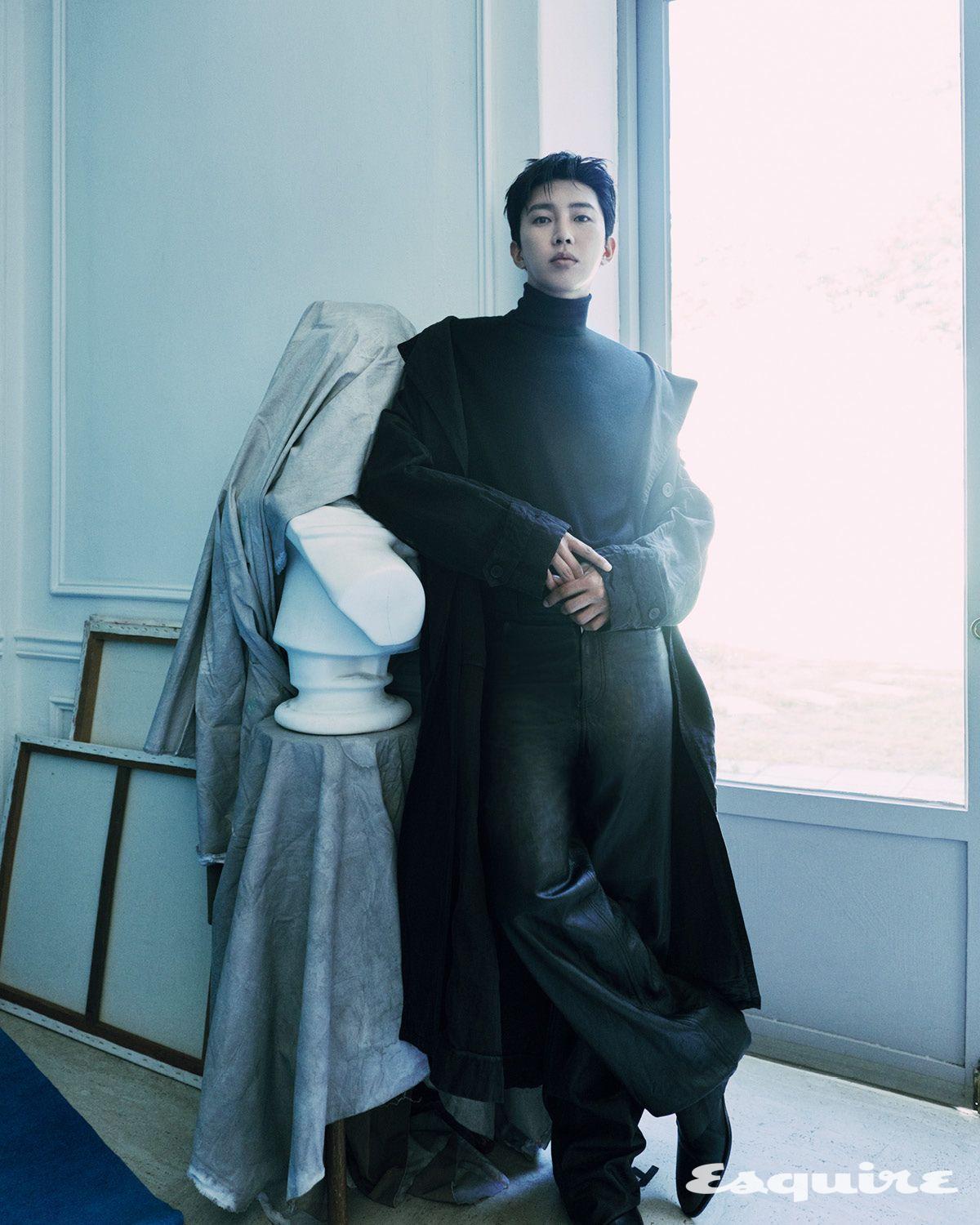
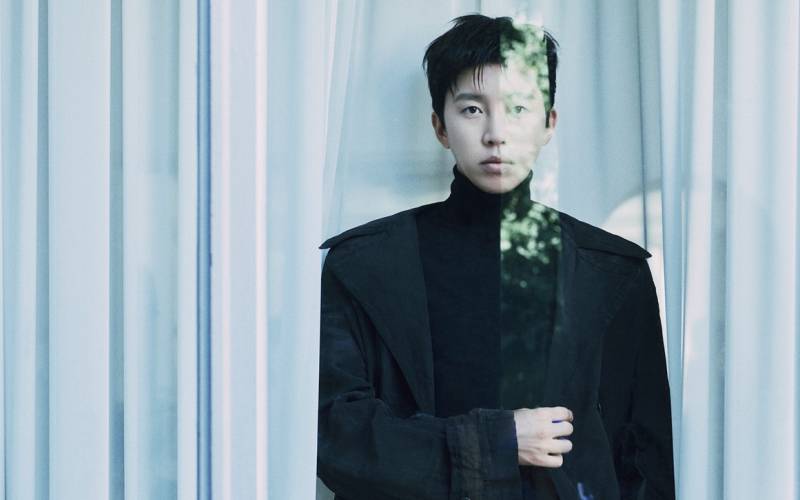
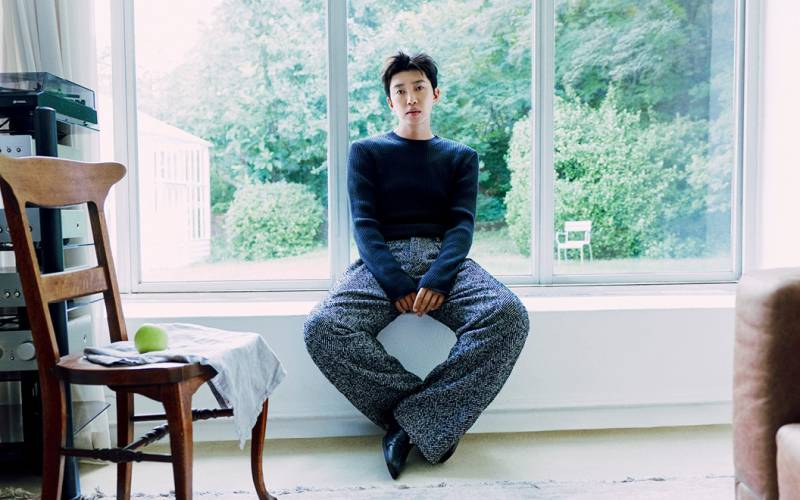
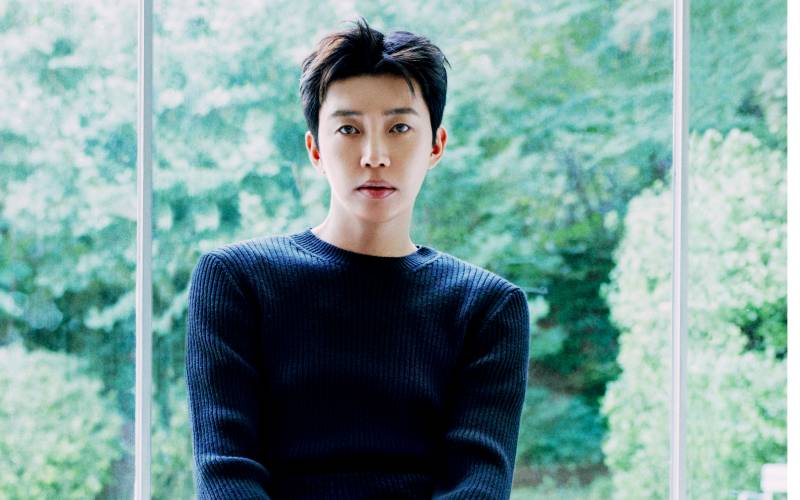
트렌치코트 김서룡. 터틀넥 니트 톰 포드. 레더 팬츠 페라가모. 첼시 부츠 생 로랑 by 안토니 바카렐로.
It was a song called “Grain of Sand.” Your voice on that song was just so lovely. And then on “London Boy,” it has this wonderfully open quality, whereas on “Warmth,” it’s much deeper.
“Grain of Sand” is exactly the kind of song I was talking about. In the past, I probably would have sung it with a heavier placement, but for the sake of the song as a whole, I chose to use a lighter register instead—softer, more delicate.
You sang with that kind of voice recently on High Valley, Top Hero too, when you covered Sung Si-kyung. It honestly startled me. I had no idea you were capable of such a light, lyrical tone. It’s almost like you can do any voice you choose.
No, I wouldn’t go that far. I just thought it might be nice to show my fans a side of me they hadn’t really seen before, so I went ahead and let it out on the show.
Not only do you sing across all these different genres and vocal styles, you also write an incredible range of music yourself. The proportion of your own compositions seems to be growing by the day. When you write a song, what usually comes first: the melody or the lyrics?
It’s very case by case. Sometimes I start with the melody. Other times I'll build the track first and write the melody over it. And sometimes I write the lyrics first and shape everything else around that. I don’t really limit myself by genre. I’ve loved all kinds of music since I was young. Whatever I’m listening to and influenced by in the moment, I just try to reinterpret it in my own way.
What instruments do you use when you work?
I’m not really much of an instrumentalist. When I’m writing, I just sort of plink away on the piano. I know the basic chords, so I can work out a song with those. I usually write the main melody first, and once I want to add more detail or give it a bit more character, that’s when I start working with other composers.
I’m curious about your lyric-writing routine as well.
I actually have developed a bit of a routine lately. I get up early, go to a café, read for a while first, and try to settle my mind into a peaceful state—and then I start writing. If you go early enough, there are hardly any people around.
I get it. I’ve heard a lot of creative people absolutely have to protect that kind of time alone, without any external stimulation. And apparently neuroscientists say that creativity really flourishes when we’re not actively doing anything. Which is why so many people say their best ideas come to them in the shower.
I’m the same way. There have been so many times when a melody suddenly came to me in the shower, or a line just appeared out of nowhere. Sometimes, if inspiration strikes while I’m showering in the evening, I’ll just scribble it down somewhere and then sort through it properly the next morning.
Do you keep a notebook by your bed, by any chance?
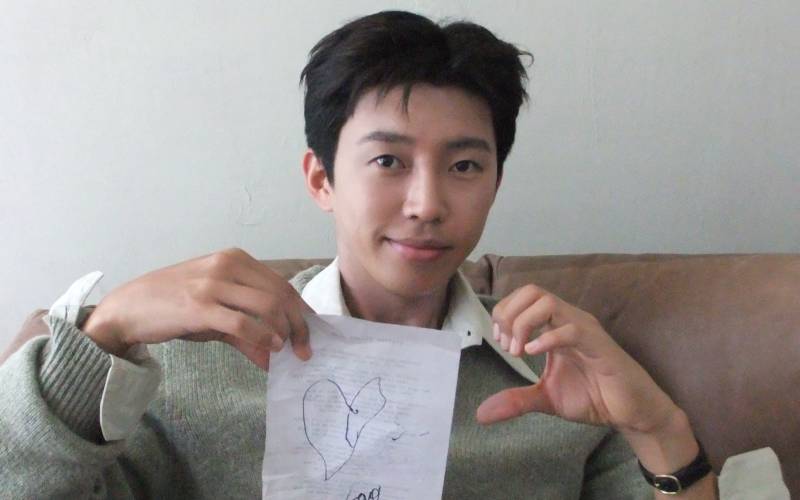
I do! When I’m working on a song, I always have two or three notebooks scattered around. One might be by my bed, another on the sofa. You never know when a lyric might come to you, so I try to be prepared.
I’ve heard some songwriters will wake up in the middle of the night and record a melody so they don’t forget it.
I do that, too. Whenever I’m in the middle of writing, my voice memo app fills up with melodies I recorded in the middle of the night. Because sometimes a melody will come to me in a dream, so I’ll wake up, still half asleep, and record it. Usually when I wake up in the morning, I don’t even remember doing it. And most of the time, when I actually listen back it’s pretty unusable.
Still, every now and then it does turn into something real.
You end up tinkering with them, trying different things, and before you know it, you’ve got a song. I remember once a melody came to me and I thought, “This one's solid, I’ll be sure to remember it and record it tomorrow.” But when tomorrow came around, I couldn’t remember a single note. Ever since then, I've made a point of recording every melody or lyric that crosses my mind, no matter when it happens—even if it means waking up in the middle of the night to do it.
In a contemporary art context, we could consider those recordings an archive of Lim Young-woongs unconscious. (laughs)
(Laughs.) I suppose you could put it that way.
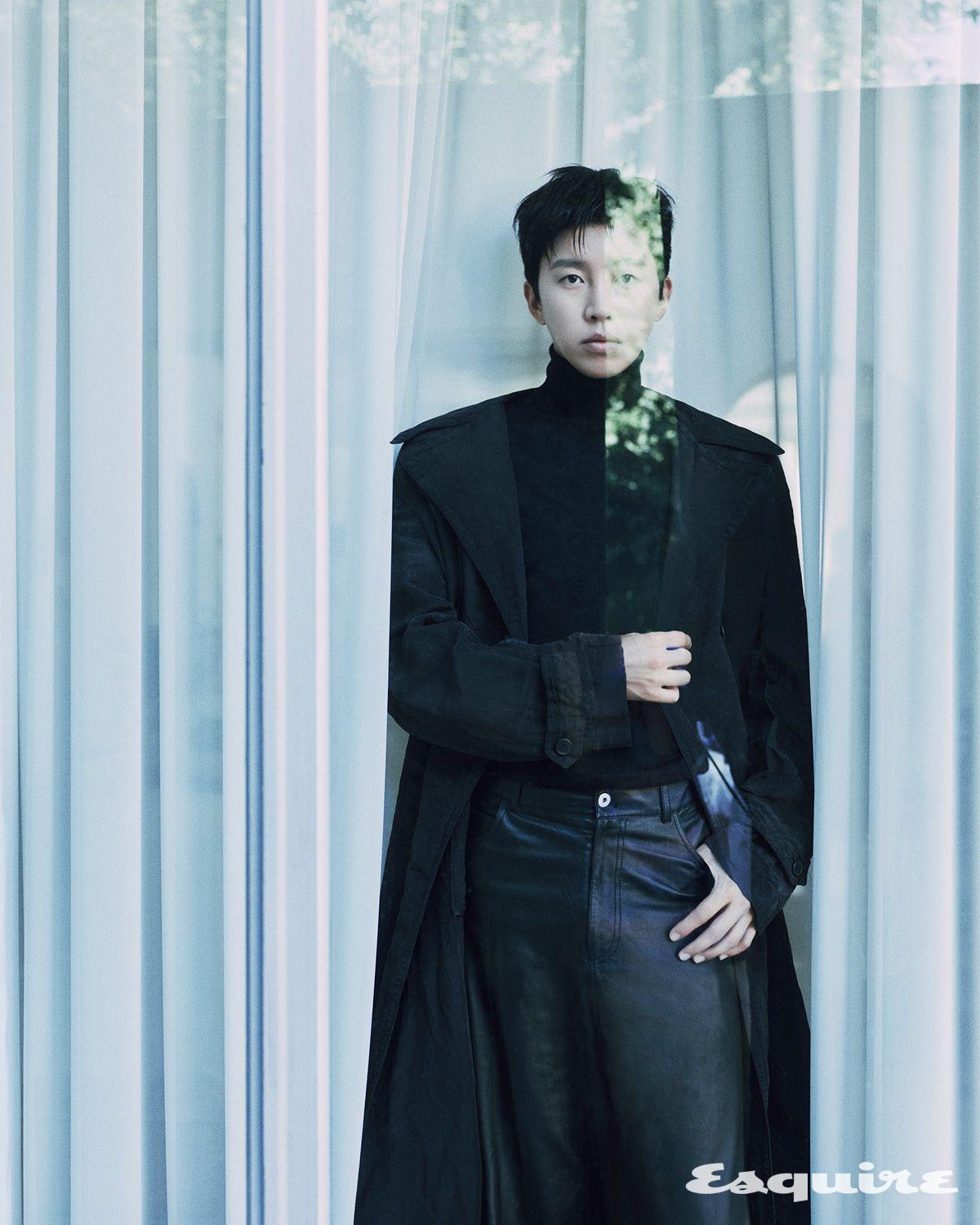
트렌치코트 김서룡. 터틀넥 니트 톰 포드. 레더 팬츠 페라가모.
What have you been working on lately?
I’m working on some new songs that will be released soon. I’ve written about four of them so far.
As I went through your entire discography recently, I was really struck by its range. In terms of genre alone, you’ve done everything from the ballad “If We Ever Meet Again,” written with Lee Juck, to the honky-tonk country song “I’m HERO”—definitely a style we don’t often see in Korea—to the straight-up hip-hop track “Since I Sent the Reply.” It’s incredibly diverse. Is there a style you'd like to explore on your next album?
Not necessarily on the next album specifically, but looking ahead, I’d really like to try jazz. I love jazz.
Oh! I remember thinking the same thing when you covered Lee Jung-sun’s “Lonely People.” It suited you so well.
I love that kind of music, but I’ve never really attempted it on one of my own albums. It’s something I’d like to do someday, but as we all know, jazz is difficult. People say there’s no such thing as an easy genre, of course—but jazz is one of those genres where I do feel the need for much deeper study before I could really take it on.
I still remember the first time I heard “If We Ever Meet Again,” the song Lee Juck gave you. To be honest, I remember thinking it sounded even more like Lee Juck than hearing Lee Juck sing it himself. The phrasing, the breathing, the dynamics—it was a quintessential Lee Juck ballad.
He was incredibly meticulous with his direction. And building on that, I kept rerecording it over and over until we got it right. I really learned a lot from working on that song.
I hear the two of you get together fairly often.
I don’t know about “often.” We do get together for a drink every now and then, and when we do, we end up talking about music for hours. I really enjoy learning from musicians who are more experienced than I am, and every time I see Lee Juck I really do learn something new, musically speaking.
We touched on routines a little earlier; a lot of artists seem to have them. Besides going to a café every morning, do you have any other routines?
I wouldn’t really call it a routine, maybe just more of a habit—but whenever I get hooked on a particular food, I’ll eat it almost every day for a while. If it’s seolleongtang, for example, I’ll have it for lunch every day for a month or two. Then I'll move on to sundae-guk, then galbitang, and so on.
Oh! I know exactly what you mean. I’m like that, too.
Yeah. Essentially, if something tastes better to me than anything else in a given moment, I don’t want to waste time forcing myself to come up with something else to eat.
Some people are like that with clothes, too. They’ll buy several verions of the same outfit and just rotate through them, so they never have to think about what to wear.
I’m a bit like that as well. I have certain outfits for dressing up, certain ones for going out casually, and certain ones for everyday wear.
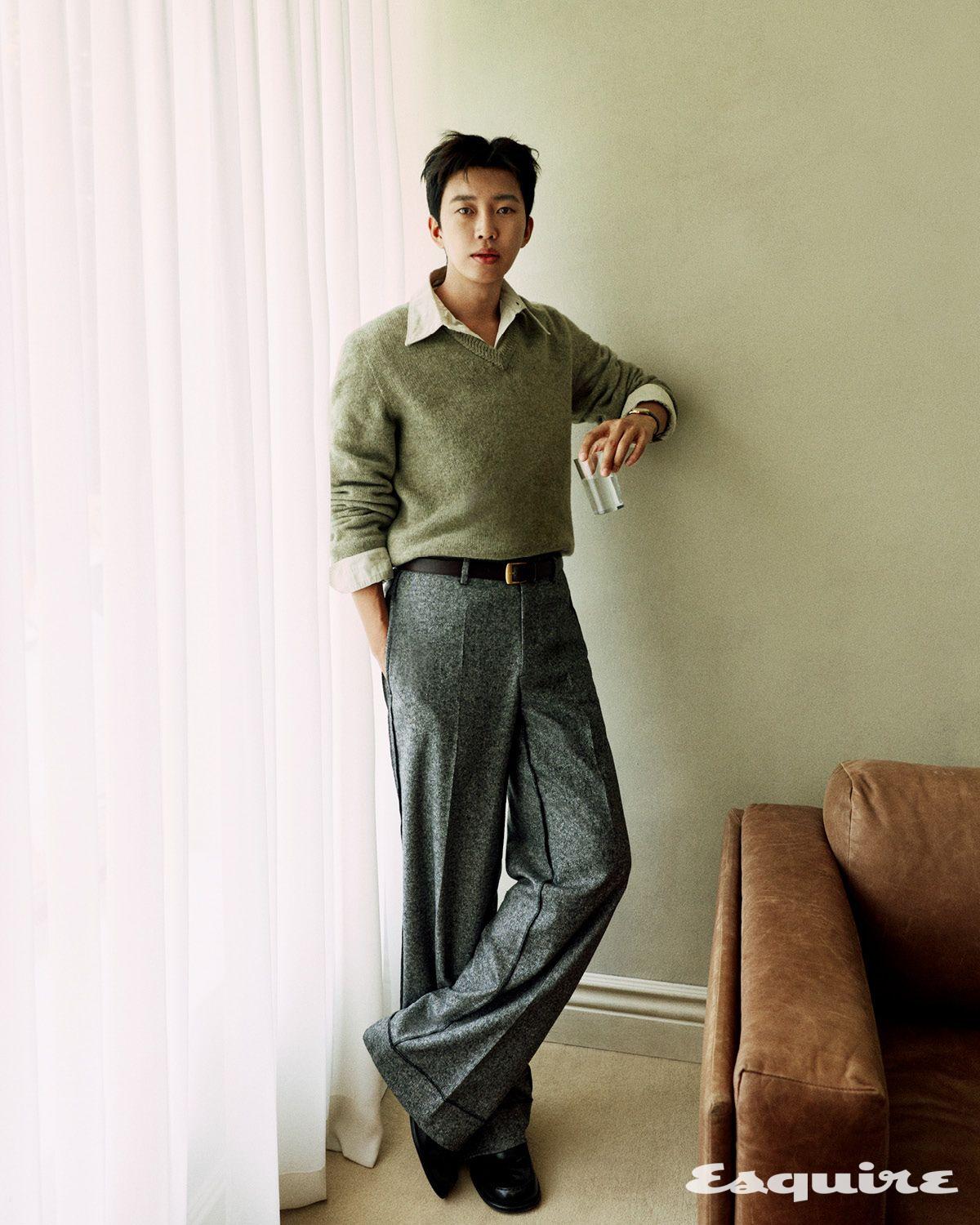
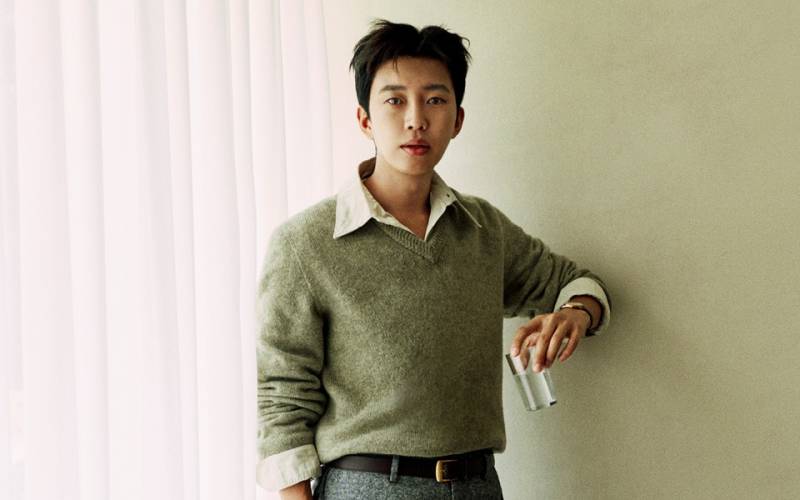
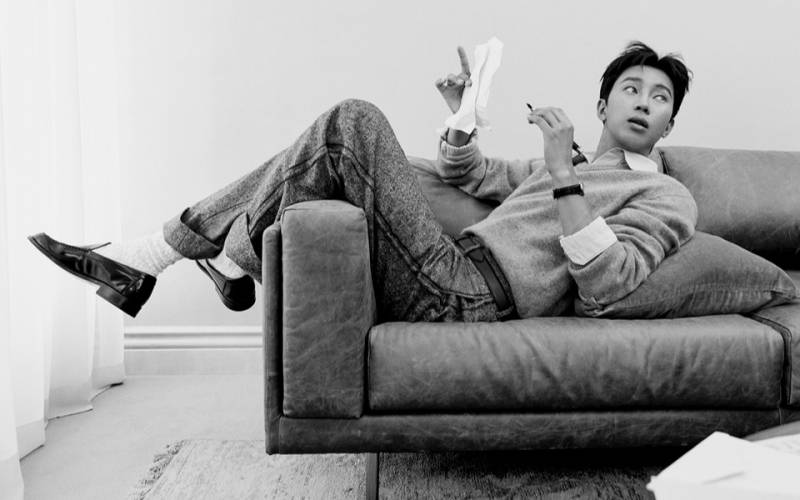
브이넥 니트, 블랙 로퍼, 포켓 셔츠 모두 르메르. 그레이 와이드 팬츠 메종 마르지엘라. 벨트 생 로랑 by 안토니 바카렐로. 빈티지 워치 파텍 필립.
So what food are you hooked on right now?
Lately it’s been butter chicken curry. Unless the people I’m working with are craving something else, we usually end up going out for butter chicken curry for lunch. (Laughs.)
Songs like “Warmth,” “Heavenly Ever After,”and “Grain of Sand” have all made the Billboard Global Excl. U.S. chart. And in 2023, you played the Dolby Theatre in Los Angeles.
It was surreal. I could hardly even believe I was performing in a place like that, and then before I knew it, the whole thing was over. It was still incredible, though. Some of the people in the audience had completely forgotten how to speak Korean, and others had been born and raised overseas and never learned Korean in the first place. Yet somehow they all knew who I was, and they were so genuinely happy to see me.
I’m a big (American) pop music fan myself, but whenever I hear you sing “Purple Color Postcard,” I find myself welling up. There must be something in that sound that speaks directly to the Korean heart.
I think so, too. I do feel that there’s a kind of shared emotional sensibility embedded in genres like trot and the Korean ballad. No matter what kind of music someone usually listens to, there are certain melodies and registers that resonate with Koreans on a very deep level.
The phrase “geon-haeng” (meaning “health and happiness”) has become something of a signature for you. To me it feels less like a catchphrase than a way of life you seem to share with your fans. Health and happiness. If you had to add one more value to those two, what would it be?
It’s such an obvious, cliché answer, but... love. I really mean that. It’s something I always say at my concerts: Never stop loving. And I always tell my fans that I love them, too. Love is something we should always practice.
Beautifully put. Being loved is wonderful, of course, but there’s a true happiness in loving someone yourself. No matter how hard life gets, financially or physically, if you have someone to love, you can find the strength to keep going.
I feel that even more strongly since Siwol came into my life. Of course, I was always urging my fans to love, and not to be afraid to express that love, long before Siwol came along. But then one day, as I was saying the words, it suddenly occurred to me: Am I actually loving this way in my everyday life? Then I met Siwol. Loving Siwol and expressing that love every day genuinely changed my life. So these days, I make a conscious commitment to try and give love actively, every moment.
Maybe that’s actually the role you play for so many people. For fans who are struggling with the challenges of real life, the act of loving you might be a source of healing in itself.
To be that kind of presence in someone’s life—I would be deeply grateful.
Credit
- EDITOR 이진수
- FEATURE EDITOR 박세회
- PHOTOGRAPHER 김희준
- STYLIST 이혜영
- HAIR 이일정
- MAKEUP 안성희
- SET STYLIST 이나경
- ASSISTANT 김지효/박현지/한다원
- ART DESIGNER 김대섭
MONTHLY CELEB
#허남준, #나우아임영, #프로미스나인, #나경, #채영, #지헌, #존박, #우도환, #임영웅

MOST LIKED ARTICLES
